Google Business Profile Optimization: Must-Have Tips for Stunning Local SEO
- Why Google Business Profile Optimization Matters
- Must-Have Tips to Optimize Your Google My Business for Local SEO
- 1. Claim and Verify Your Listing
- 2. Complete Every Section with Accurate Information
- 3. Optimize Your Google Maps Listing with Relevant Keywords
- 4. Use High-Quality Photos and Videos
- 5. Encourage and Manage Customer Reviews
- 6. Utilize Google Posts Regularly
- 7. Keep Your Information Up-to-Date
- Additional Strategies to Boost Local Search Visibility
- Leverage Local Citations and Backlinks
- Monitor Insights and Analytics
- Engage with Your Community Online
- Final Thoughts
Google Business Profile Optimization: Must-Have Tips for Stunning Local SEO
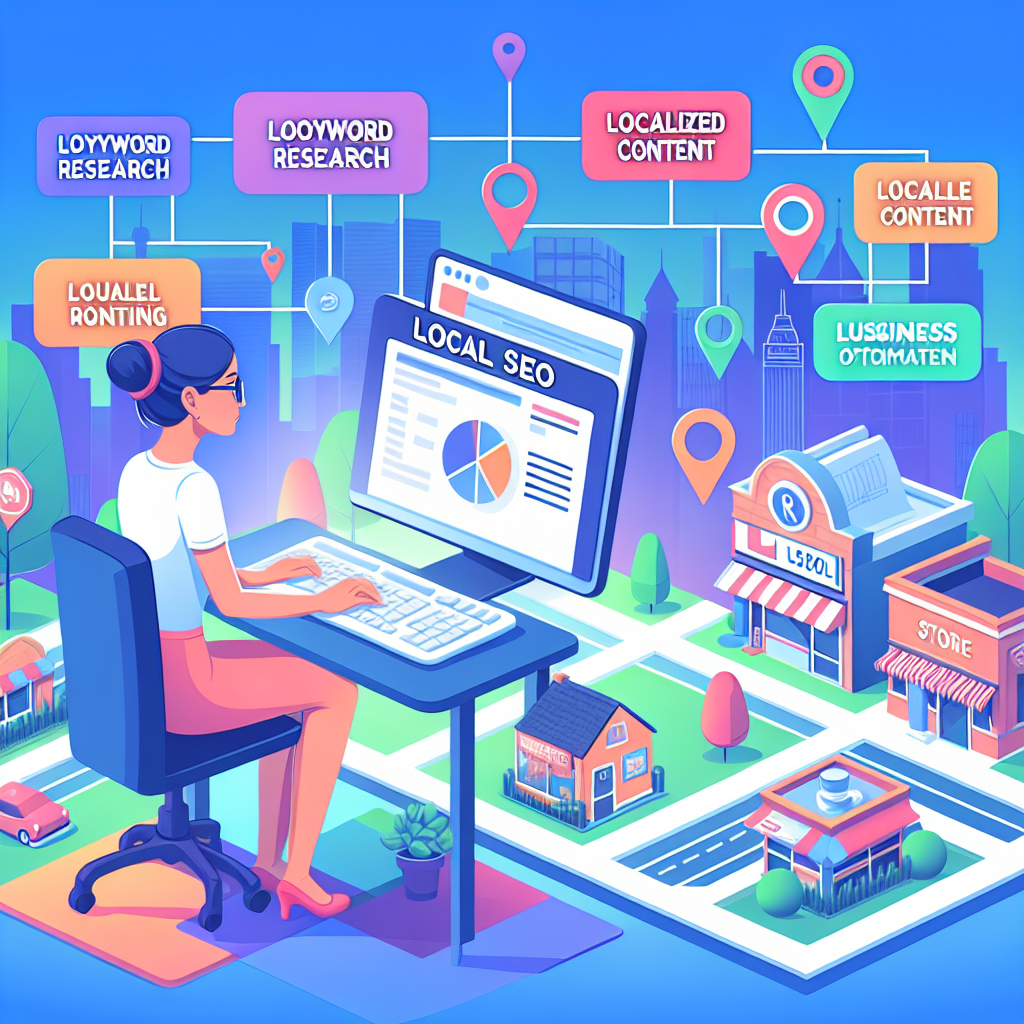
In today’s digital era, establishing a strong online presence is crucial for local businesses. When potential customers search for services or products nearby, your business’s visibility on Google can make all the difference. This is where Google Business Profile optimization becomes essential. A well-optimized Google Maps listing not only attracts more local customers but also enhances your overall local SEO strategy.
Understanding how to harness the power of Google My Business for local SEO can significantly improve your chances of appearing at the top of local search results. In this guide, we’ll explore proven tips to optimize your Google Maps listing, boost your local business Google profile, and ultimately improve Google Maps ranking.
—
Why Google Business Profile Optimization Matters
Google’s local search results heavily rely on the information available in your Google Business Profile. When a user searches for a service or product near them, Google prioritizes local listings that are accurate, complete, and engaging. Proper optimization ensures your business ranks higher, appears in the right searches, and draws in more foot traffic or inquiries.
—
Must-Have Tips to Optimize Your Google My Business for Local SEO
1. Claim and Verify Your Listing
Before you can optimize your local business Google profile, you need to claim it. This step is crucial as it authenticates your business on Google. Once claimed, verify your listing to prevent others from tampering with your information. Verification is usually done via postcard, phone call, or email. Ensuring your listing is verified paves the way for full control over your profile.
2. Complete Every Section with Accurate Information
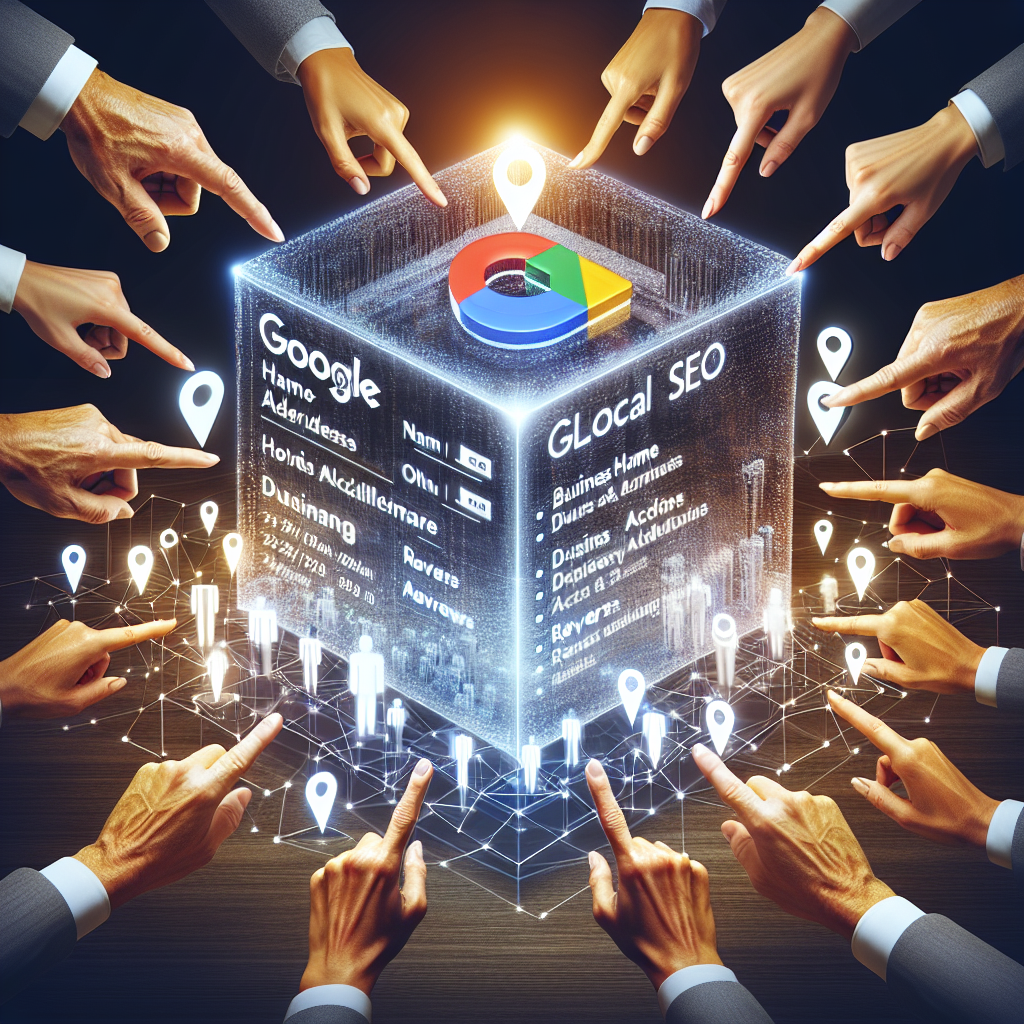
A comprehensive Google Business Profile provides search engines and potential customers with all the necessary details. This includes:
– Business name
– Address and location
– Phone number
– Website URL
– Hours of operation
– Business categories
Be precise and consistent with your contact details across all online platforms. Mismatched information can harm your local SEO efforts.
3. Optimize Your Google Maps Listing with Relevant Keywords
Incorporate relevant keywords naturally into your profile, especially in your business description and services. Phrases like “best pizza in downtown” or “affordable plumber near me” help Google associate your listing with specific search queries. Remember, the goal is to make your profile keyword-rich without sounding spammy.
4. Use High-Quality Photos and Videos
Visuals are a critical component of Google Business Profile optimization. Upload high-resolution, professional photos of your location, products, services, and team members. Engaging visuals help attract users’ attention and increase interaction. Google also favors listings with photos, often boosting their visibility in local search results.
5. Encourage and Manage Customer Reviews
Reviews significantly influence your local SEO performance and customer trust. Encourage your satisfied clients to leave positive reviews on your profile. Respond promptly to reviews, whether positive or negative, demonstrating excellent customer service and engagement. Google values active profiles with genuine reviews, which can improve Google Maps ranking.
6. Utilize Google Posts Regularly
Google Posts allow you to share updates, offers, events, and news directly on your profile. Regular posting keeps your business active and signals your engagement to Google. Use this feature to showcase new products, seasonal promotions, or community involvement—these updates can drive more local traffic.
7. Keep Your Information Up-to-Date
Your business details can change over time. Updating your hours during holidays, adding new services, or adjusting your contact info ensures potential customers get the most accurate data. Fresh and accurate information helps improve Google Maps ranking and enhances your business’s credibility.
—
Additional Strategies to Boost Local Search Visibility
Leverage Local Citations and Backlinks
Get your business listed on local directories and industry-specific sites. These citations boost your profile authority and local relevance. Aim for consistent NAP (Name, Address, Phone) information across all platforms.
Monitor Insights and Analytics
Google My Business provides valuable insights into how users find and interact with your profile. Track these metrics to refine your optimization strategies and focus on what works best for your audience.
Engage with Your Community Online
Participate in local forums, social media, and community events online. The online community engagement can lead to more mentions and backlinks, further improving Google Maps ranking.
—
Final Thoughts

Optimizing your Google Business Profile is a continuous process that requires attention and dedication. From claiming and verifying your listing to actively managing reviews and updating your information, each step plays a vital role in your local SEO success. Proper Google My Business for local SEO can position your business prominently on Google Maps, increase foot traffic, and drive more leads.
Investing in Google Business Profile optimization pays off by making your local business more visible and attractive in your community. Stay proactive, and over time, you’ll see your business climb higher in local search results and enjoy greater online visibility and customer engagement.