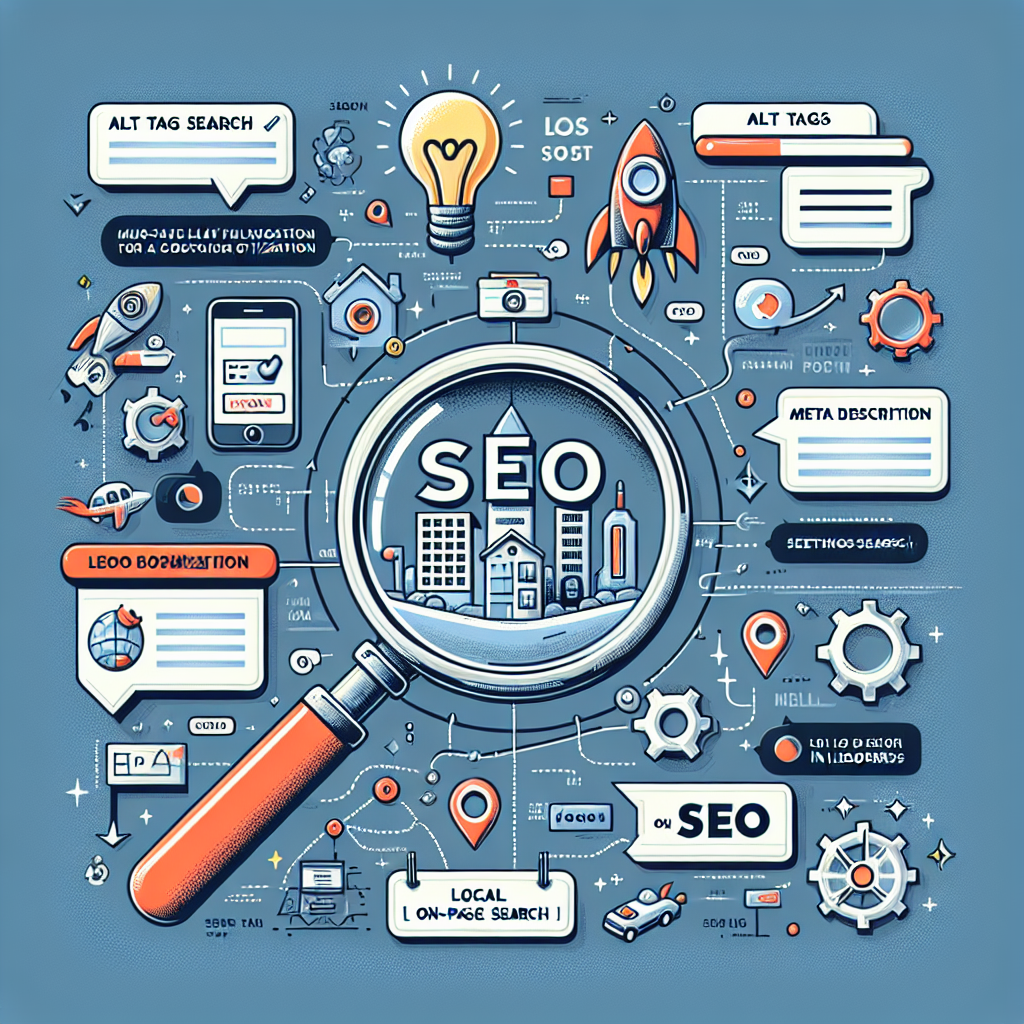
Local On-Page SEO: Must-Have Tips for Effortless Optimization
- Why Local On-Page SEO Matters
- Key Elements of Local On-Page SEO
- 1. Location Pages SEO
- 2. Optimize Title Tags for Local SEO
- 3. Craft Effective Local Meta Descriptions
- 4. Use Local Keywords Strategically
- 5. NAP Consistency
- Additional Tips for Effortless Local SEO Optimization
- Final Thoughts
Local On-Page SEO: Must-Have Tips for Effortless Optimization
In today’s digital landscape, local on-page SEO is essential for businesses looking to attract nearby customers and enhance their online visibility. When you optimize your website effectively for local search, you not only improve your chances of appearing in the coveted “Local Pack” or map results but also drive targeted traffic that is more likely to convert into customers. Whether you’re running a small neighborhood café or a regional service provider, understanding the fundamentals of local SEO optimization can make a significant difference.
—
Why Local On-Page SEO Matters
Local SEO helps businesses connect with potential clients in their geographic area. Unlike broader SEO strategies, local SEO focuses on location-specific signals that influence search results. By refining your on-page elements—the content on your website—you can better signal to search engines that your business is relevant to local queries.
Effective local SEO optimization hinges on making your pages search-engine friendly while ensuring they appeal directly to your local audience. This includes optimizing location pages SEO, title tags, meta descriptions, and more. Proper implementation can lead to higher rankings, increased foot traffic, and ultimately, more revenue.
—
Key Elements of Local On-Page SEO
1. Location Pages SEO
If your business operates in multiple locations, creating dedicated location pages is a strategic move. Each page should target a specific area, neighborhood, or city. Properly optimized location pages SEO can be a game-changer in helping your business rank for local queries.
Best practices for location pages include:
– Incorporating the local area name naturally into your content.
– Including localized testimonials and case studies.
– Embedding Google Maps to showcase your business location.
– Providing relevant local information like landmarks, hours of operation, and local events.
2. Optimize Title Tags for Local SEO
Your page titles are one of the most influential on-page factors for local SEO. When optimizing title tags, include your primary keyword along with the location to signal relevance.
Example:
Instead of “Best Plumbing Services,” use “Top Plumbing Services in Chicago.”
This approach helps your page appear in search results for local queries while making it clear to users that your business serves their area. Keep titles concise, ideally under 60 characters, to avoid truncation in search engine results.
3. Craft Effective Local Meta Descriptions
Meta descriptions provide brief summaries of your page content in search results. Well-crafted local meta descriptions should include the location and a compelling call-to-action (CTA). They should also naturally incorporate your target keywords to attract clicks.
Example:
“Looking for reliable plumbing services in Chicago? Our experienced team provides prompt and affordable plumbing solutions. Contact us today!”
Including the location in your meta descriptions not only improves relevancy but can also boost click-through rates from local searches.
4. Use Local Keywords Strategically
Incorporating relevant local keywords throughout your website content, headers, and images enhances your site’s relevance for local searches. Use tools like Google Keyword Planner or Ahrefs to find popular local search terms.
Additionally, sprinkle in synonyms and related terms—like “near me,” “businesses in [city],” or “services in [neighborhood]”—to cover a wider range of search intents.
5. NAP Consistency
Your Name, Address, and Phone Number (NAP) should be consistent across all on-site and off-site listings. This consistency reinforces your location relevance to search engines. On your website, include your NAP in the footer, contact page, and locally-focused pages.
—
Additional Tips for Effortless Local SEO Optimization
– Schema Markup: Implement LocalBusiness schema on your website to provide search engines with detailed information about your business, such as hours, location, and services.
– Optimize for Mobile: Most local searches are mobile-based. Ensure your website is responsive for seamless user experience.
– Encourage Reviews: Positive reviews enhance your local SEO and build trust with potential customers. Display testimonials and encourage satisfied clients to leave feedback on Google or other review platforms.
– Internal Linking: Use local anchors to link related pages within your site, boosting the authority of your location pages.
—
Final Thoughts

Mastering local on-page SEO is a vital step toward dominating local search results. By focusing on key elements like optimized location pages SEO, title tags, meta descriptions, relevant keywords, and NAP consistency, you can make your website more appealing to both search engines and local users. Implementation of these must-have tips allows for effortless optimization that drives tangible business results and establishes your local presence online.
Whether you’re just starting out or refining your existing local SEO strategies, remember that consistency and relevance are your best allies. Regular updates, monitoring rankings, and adapting to new trends will ensure your business stays ahead in the competitive local search landscape.